Mamata’s unprecedented political crisis: Dhaka-Delhi in a new equation
Trinamool faces disintegration; 50 MLAs may leave the party

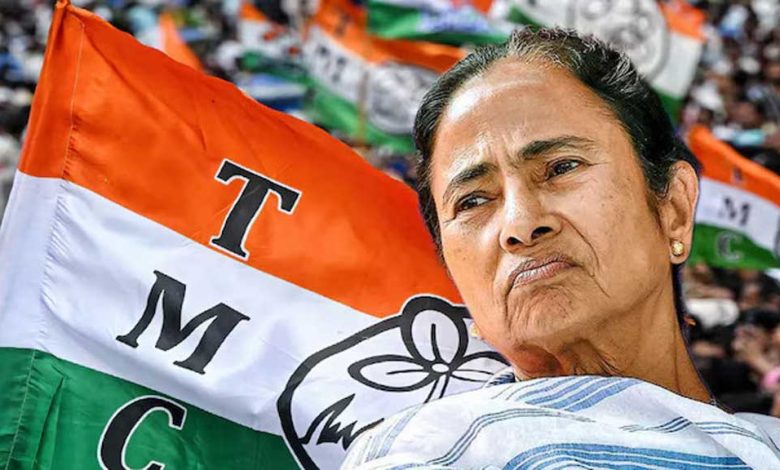
Dhaka, 02 June 2026: After the historic debacle in the 2026 assembly elections, West Bengal politics has taken an unprecedented, dramatic turn. Mamata Banerjee’s Trinamool Congress, which has settled down to just 80 seats, is now clearly in disarray. There are strong rumors that about 50 of the party’s MLAs are preparing to leave the party at once.
State politics is trembling with fear that a large section of the party may come out and claim their ‘real grassroots’ before the budget session of the assembly, which is scheduled to begin on June 18.
This unprecedented internal crisis in the Trinamool not only signals a shift in power in Bengal but also signals major, far-reaching changes in India’s national politics and the geopolitics of neighboring Bangladesh.
Why this unprecedented disaster?
Mamata Banerjee has never faced such a major existential crisis since the formation of the party in 1998. According to political analysts, there are four main reasons behind this situation.
Shock and anger at losing power: After a long decade and a half, the balance of power has completely changed as the BJP formed the government in the state with an unprecedented victory in 207 seats. Immediately after taking the opposition seat, long-suppressed resentments within the party have come out in a big way, taking the blame for the defeat.
Excessive dominance of corporate agencies: Recent comments by suspended spokesperson Riju Dutta indicate that senior Trinamool and grassroots leaders feel that the overemphasis and sole control of external corporate agencies like I-PAC has alienated the party’s grassroots leaders.
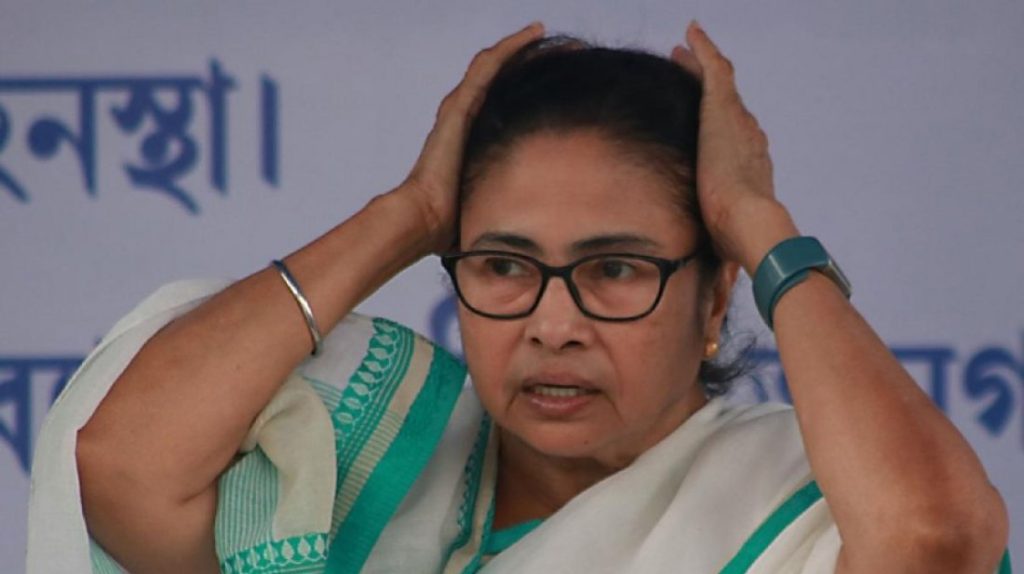
Lack of internal democracy: Rebel leader Ritabrata Banerjee alleged that there is no room for free speech in the party. The unilateral decisions of party general secretary Abhishek Banerjee and the policy of keeping senior leaders in a corner have made many MLAs rebel.
Pressure from legal and central agencies: The top leadership of Trinamool was already under mental pressure due to the continuous raids by central investigative agencies like ED or CBI. Taking advantage of this weakness, the angry section of the party is now getting the courage to break the party.
Winds of change in Delhi politics
This political upheaval in West Bengal is sending a message of a major change in the equation in Delhi politics as well. Mamata Banerjee was one of the main and influential faces of the anti-BJP alliance at the national level. This decline and possible disintegration of the Trinamool in Bengal has severely weakened the entire national-level opposition alliance.
At the same time, West Bengal was considered an impregnable fortress for the BJP. The victory here with a two-thirds majority strengthened the national narrative of Narendra Modi-Amit Shah.
Apart from this, West Bengal has been strongly resisting the implementation of various policies of the Centre (such as CAA/NRC or various central welfare schemes) till now. Now that the BJP has come to power in the state, the policies of the Centre will be implemented without any hindrance, which will bring about major changes in the overall federal structure of India.
New equation in Bangladesh-India bilateral relations:
The political stability or instability of West Bengal always has a direct impact on Bangladesh. In the context of the current crisis, international relations experts believe that there could be a major impact in three areas.
Teesta and other water sharing agreements: Delhi’s ‘Tista Water Sharing Agreement’ with Dhaka was stuck due to Mamata Banerjee’s strong opposition. Since there is now a BJP government in Bengal and an NDA alliance at the Centre, it will be much easier for Delhi to move forward with the Teesta Agreement or other pending bilateral agreements.
The issue of stopping ‘illegal infiltration’ and border smuggling has always been a priority in the BJP’s political agenda. This could lead to increased surveillance and strictness by the BSF on the Bangladesh-India border, which could create some tension in bilateral diplomatic relations.
Economic and regional connectivity: With the same party (BJP) in power at the Centre and in the state, the expansion of rail, port, and transit facilities between Bangladesh and eastern India will gain momentum. There is a possibility that trade and travel between Bangladesh and Jalpaiguri or Kolkata will become easier.
The tone of this Trinamool split is not just a story of Mamata’s loss of sole power; it signals a rewriting of the geopolitics of India’s eastern border region and the long-standing equations of India’s relationship with Bangladesh. The upcoming budget session on June 18 may decide which direction Bengali politics is taking.
NewsNowBangla/ZRC/02 June 2026