
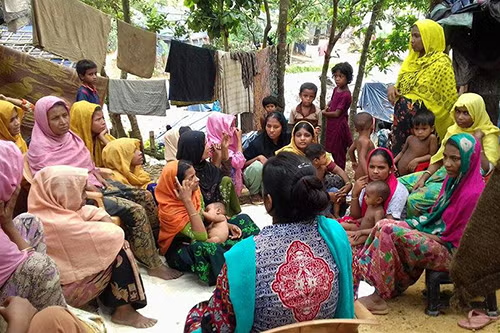
Dhaka, 15 October 2026: Bangladesh observes National Girl Child Day on September 30th to protect girls' rights, raise public awareness, and promote gender equality. Globally, International Day of the Girl on October 11th amplifies girls' voices, actions, and leadership.
This year's theme, "End child marriage and invest in girls' rights," highlighted the urgent need to address child marriage, a pervasive violation of girls' rights that denies millions the chance to stay in school, protect their health, live free from violence, and fulfill their potential.
Child marriage contributes to maternal and child health problems and can have severe, lasting consequences for girls' physical and mental well-being. Despite progress, child marriage remains a significant issue in Bangladesh, with some regions, like Rajshahi, exhibiting alarmingly high rates.
This often forces girls to abandon their education, marry early, and experience limited autonomy within their new households. Every girl deserves a childhood, the freedom to learn, grow, make choices, and define her future.
Solutions include keeping girls in school, expanding access to health and social services, challenging harmful norms within families and communities, investing in girls' rights, and supporting their leadership. Empowering girls transforms not only their own lives but also contributes to healthier families, stronger communities, and more peaceful, prosperous societies. 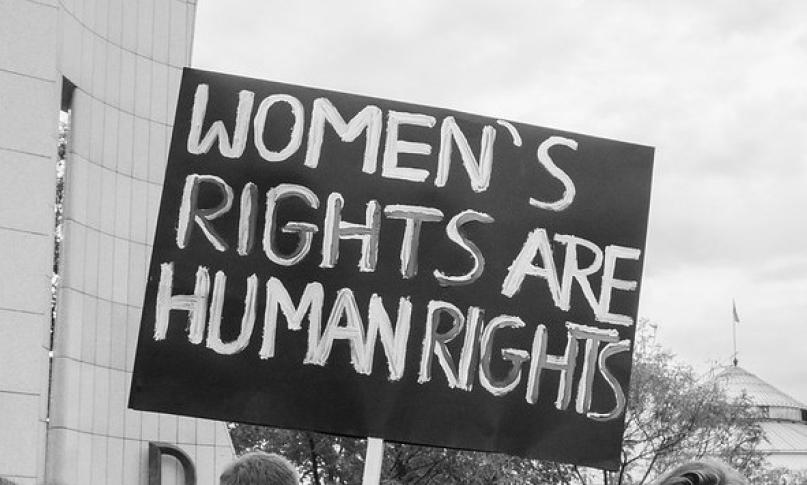
As Dr. Azizun Nahar of Chittagong Medical College Hospitals explains, nutritional interventions like iodine fortification and vitamin A supplementation significantly reduce child mortality and disease burden.
Eliminating iron deficiency can reduce maternal disease, and daily zinc supplementation decreases infant mortality. Addressing micronutrient malnutrition in children and anemia in women of reproductive age can save lives and improve overall health.
Poor nutrition, particularly low birth weight, is linked to increased obesity and non-communicable diseases. When girls are adequately nourished, they are healthier, enabling safe motherhood, planned families, and increased school enrollment—all vital for building a healthy and prosperous nation.
Improving women's status and health is crucial for achieving sustainable nutritional improvements for girls. International declarations, such as the Vienna Declaration and Programme of Action and the Beijing Declaration, emphasize the need to strengthen mechanisms for the defense and protection of children, especially girl children, and to ensure their human rights, including the right to nutrition. 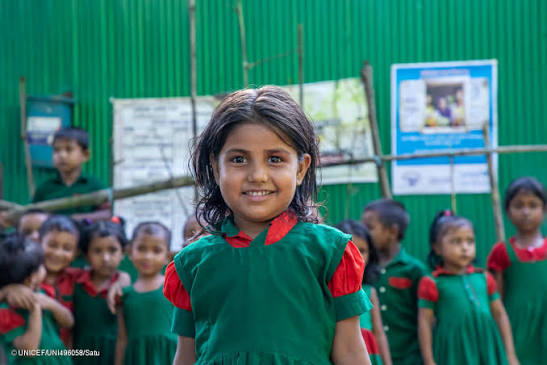
Both the Convention on the Elimination of all Forms of Discrimination against Women (CEDAW) and the Convention on the Rights of the Child (CRC) call on Bangladesh to ensure women's right to breastfeed, emphasizing the need for men's involvement and support.
The global challenges of hunger and malnutrition are escalating. The United Nations reports 148 million stunted children and 45 million suffering from wasting in 2022, with projections of over 600 million people facing hunger by 2030.
Cindy Hensley McCain, Executive Director of the World Food Programme, warns of the urgency to act, as over 2.8 billion people cannot afford healthy diets. Bangladesh, ranked 81st out of 125 countries in the 2023 Global Hunger Index, still faces serious hunger and malnutrition, particularly among children.
Achieving the Sustainable Development Goals (SDGs) by 2030 requires collaborative efforts to ensure no girl is left behind.
NewsNowBangla/ PB/ ZRC/ 15 October 2026