
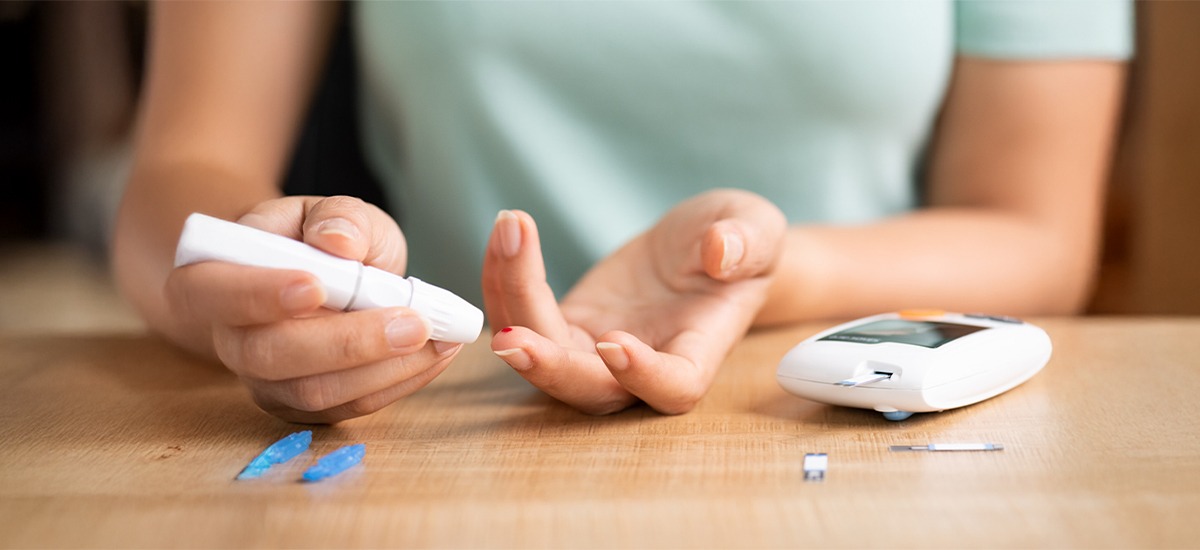
Dhaka, 28 October 2026: Alo Begum (not her real name), a 44-year-old woman, a resident of Mirzaganj upazila, Patuakhali district, in rural Bangladesh. She is a housewife with a high domestic workload. She has type 2 diabetes mellitus (T2DM) and hypertension.
She was incidentally diagnosed with high blood pressure during an occasional community health screening at a local sub-district (upazila) health complex. Her diabetes was identified shortly after during a routine fasting blood glucose check.
Like many rural hypertensive women in Bangladesh, she primarily attributes her high blood pressure to chronic family stress, lack of sleep, and anxiety rather than diet or genetics. She has a positive maternal or paternal history of cardiovascular disease and diabetes.
There are thousands of Alo Begums in Bangladesh in both rural and urban areas, and the key challenges they face are: The recurring cost of purchasing maintenance medications strains the household budget; High unmet needs for chronic disease continuity of care in rural sub-districts mean she occasionally misses follow-ups.
Heavy domestic responsibilities often make it difficult for her to prioritize structured physical exercise or attend regular clinic visits. Because hypertension and early diabetes frequently present without dramatic warning signs, maintaining long-term adherence to diet and medication remains an ongoing hurdle, among others.
While contacted, Dr. Nusrat Tabassum, a professor at Dhaka Medical College Hospital, said, "The prevalence of diabetes and hypertension among women in Bangladesh and across the Global South is rising sharply. It is driven by shifting nutrition, urbanization, and distinct gender-specific vulnerabilities.
Hypertensive disorders of pregnancy account for roughly 24% of maternal mortality in Bangladesh. Women with pre-existing or gestational diabetes face up to a nine-times higher risk of developing pre-eclampsia.
FEMALE DIABETIC PATIENTS IN BANGLADESH
Research reveals that female diabetic patients in Bangladesh face high prevalence rates of approx. 9.6% among women, driven by rising obesity and physical inactivity. They experience major gaps in care, including higher rates of undiagnosed conditions, lower adherence to follow-up visits, and elevated cardiovascular risks compared to men.
Over 31% of female patients are overweight or obese, acting as a primary catalyst for Type 2 diabetes. A substantial portion of female patients reside in rural areas with limited access to specialized screening tools or continuous education.
More than half of women with elevated blood glucose remain unaware of their condition due to low routine screening. Female patients miss clinical follow-ups at higher rates than men. It is due to financial dependence, household burdens, and lower socioeconomic status.
Studies indicate women with diabetes suffer higher rates of concurrent cardiovascular diseases and psychological distress like depression.
Diabetes is one of the world’s fastest-growing health challenges. By 2050 the number of people living with diabetes is projected to reach 853 million. Urgent action is needed to increase early detection and provide uninterrupted care and support diabetes risk reduction. Early action on diabetes will save lives, improve health, and reduce long-term costs to health systems, public health experts recommended.
KEY PREVALENCE AND TRENDS IN BANGLADESH
Data from the Bangladesh Demographic and Health Survey (BDHS) and recent studies show a unique pattern: hypertension in Bangladesh frequently affects women at younger ages or at higher rates than men, departing from traditional global trends.
Non-communicable diseases (NCDs) in Bangladesh often cluster in higher wealth quintiles due to lifestyle and nutritional factors. In addition, vulnerable subgroups, such as religious minority women, exhibit heightened blood pressure risks linked to chronic psychological distress and systemic discrimination.
Professor Dr. Nargis Akter at the Rajshahi Medical College Hospital said, “Non-communicable diseases (NCDs) are a growing health burden in low- and middle-income countries, with hypertension and poor glycemic control being key contributors.
Women have a hypertension prevalence that is five percentage points lower than that of men in their early twenties. However, this trend reverses in their early thirties, with women exhibiting a five-percentage point higher prevalence than men.”
“Diabetes, hypertension, and comorbidity are still crucial public health challenges that Bangladeshis face. Nonetheless, very few studies have been conducted to examine the associated factors, especially the socioeconomic inequalities in diabetes, hypertension, and comorbidity in Bangladesh,” Dr. Nargis added.
CONTEXT IN THE GLOBAL SOUTH
Across the Global South (parts of South Asia, Sub-Saharan Africa, and Latin America), women face a "double burden" of malnutrition (micronutrient deficiencies or undernutrition earlier in life) transitioning into overnutrition, central adiposity, and physical inactivity in adulthood.
Biological factors (such as the loss of hormonal protection post-menopause), high rates of abdominal obesity, oral contraceptive use, and chronic stress or lower access to routine primary cardiovascular screening exacerbate women's NCD risks.
Health care systems in low- and middle-income countries may not meet the needs of pregnant women where the burden of diabetes and hypertension is rapidly increasing.
With rising hypertension and stagnant maternal health in Bangladesh, women of reproductive age face higher risks of chronic and reproductive complications.
Discrimination based on religion and communal violence against religious minorities has been on the rise worldwide. Little is known about the relationship between minority status and population health outcomes in low- and middle-income countries.
Studies show that it is a South Asian country with high levels of social hostilities involving religion. Thus, we found evidence that religious minority women in Bangladesh had a disproportionately higher risk of having hypertension compared to their non-minority peers.
These results call for further research on psychological distress from systematic discrimination and collective trauma among religious minorities in Bangladesh, different studies have highlighted.
According to the World Health Organization (WHO), roughly half of all women 51% in Bangladesh with high blood pressure are unaware of their condition.
The rise in non-communicable diseases (NCDs) is closely linked to increasing rates of overweight and obesity, urban migration, and rising disposable incomes. Overweight or obese women over age 35 face substantially elevated odds of co-occurring diabetes and high blood pressure.
Two-thirds of the world’s population suffering from high blood pressure reside in low- and middle-income countries (LMICs), where health systems face dual challenges of infectious diseases and rapidly rising NCDs. Exposure to household air pollution (solid cooking fuels) and reproductive health issues like preeclampsia or gestational diabetes also elevate risk.
World Diabetes Day is observed annually on 14 November. The campaign is led by organizations like the International Diabetes Federation and the World Health Organization. Early action on diabetes is the core two-year global theme (2026–2027) for Key Focus Areas and Goals. Up to 50% of people already show complications (heart, kidney, nerve, or vision damage) by the time they receive a diagnosis.
Early screening changes this trajectory. So the stakeholders urged us to work from today to beat diabetes to save the lives of millions, because tomorrow will be too late to survive.
Parvez Babul is an award-winning health, climate change, and environment journalist, opinion columnist, and researcher. Email: parvezbabul@gmail.com
NewsNowBangla/ PB/ ZRC/ 28 October 2026